Outdoor Curtain Wall Waterproof Membranes: How to Extend TPV Service Life to Over 20 Years?
Abstract
Building curtain wall and roof waterproofing systems are exposed to complex outdoor environments over the long term, subjected to the alternating effects of rainwater scouring, acid rain corrosion, and UV aging. Numerous projects have reported that conventional TPV waterproof membranes develop chalking, cracking, and leakage within 5 years, resulting in persistently high maintenance costs. Starting from the pain points across the upstream and downstream of the building waterproofing industry, this article deconstructs the aging and failure mechanisms of TPV materials, compares the weathering and chemical resistance performance differences among various formulation systems, and provides a complete solution covering material selection, construction control, and service life assessment, helping curtain wall and waterproofing engineering companies solve the challenge of long-term outdoor service.
I. Industry Pain Point: 5-Year Failure of Outdoor TPV Waterproof Membranes Is a Common Engineering Problem
With the rapid growth of prefabricated buildings, metal curtain walls, and rooftop photovoltaic supporting waterproofing projects in China, TPV thermoplastic elastomers have been gradually promoted in the building waterproofing field due to their advantages of recyclability, good welding performance, and superior low-temperature flexibility compared to traditional EPDM membranes. However, after numerous projects were implemented, common problems emerged: conventional general-purpose TPV membranes, continuously exposed to UV radiation, diurnal temperature variations, and acid rain erosion in open-air environments, develop surface chalking and fine cracks within 3 to 5 years, followed by water seepage, causing corrosion of internal steel structures in curtain walls and indoor water leakage in buildings.
From the perspective of the industry chain, the pain points run through both upstream and downstream. For waterproof membrane manufacturers: using low-cost general-purpose TPV raw materials, initial product samples pass testing, but long-term outdoor aging performance is insufficient, leading to after-sales claims after project delivery and damage to brand reputation; if anti-aging additives are blindly increased, this brings problems of cost increases, decreased formulation compatibility, and increased extrusion processing difficulty. For curtain wall general contractors and design institutes: during material selection, only factory indicators such as tensile strength and elongation at break are considered, lacking long-term weathering data support; leakage and maintenance occurring several years after project completion means bearing warranty responsibilities. For building owners: roof and curtain wall waterproofing are concealed works, and renovation requires dismantling curtain wall panels and setting up scaffolding, with repair costs often 3 to 8 times the cost of new waterproofing.
Many procurement and technical personnel have a cognitive misconception: believing that as long as it is a TPV elastomer, it naturally possesses long-term outdoor weathering resistance. In reality, the polyolefin continuous phase of conventional TPV undergoes molecular chain scission under UV irradiation, exposing fillers, which, combined with continuous immersion corrosion by acid rain (pH≈4.0), accelerates material embrittlement and cracking. This is the core reason why the service life of conventional TPV membranes is less than 5 years.
II. TPV Outdoor Aging Failure Mechanism: Synergistic Destruction by UV + Rainwater + Chemical Corrosion
The structure of TPV materials consists of a crosslinked rubber dispersed phase, a polyolefin continuous phase, a filler system, and an additive system. In outdoor environments, aging is not caused by a single factor but by the synergistic destruction of multiple factors.
UV Aging: Short-wave ultraviolet light in sunlight breaks the molecular chains of the polyolefin matrix, generating free radicals on the material surface and triggering oxidative degradation. The macroscopic manifestations are surface discoloration and chalking, with continuous decline in mechanical properties. The QUV accelerated aging test is a common industry pre-assessment method. After QUV 1000h aging, conventional TPV exhibits a color difference ΔE>8, obvious surface chalking, and a tensile strength decrease of more than 40%.
Rainwater and Acid Rain Chemical Erosion: Rainwater carrying acidic pollutants during long-term immersion destroys the interfacial bonding between fillers and the matrix within the TPV. After micro-gaps appear at the interface, moisture continuously penetrates, and under temperature cycling, the gaps expand, eventually forming through-cracks. Conventional testing: after 90 days of immersion in acid rain at pH=4.0, conventional TPV shows increased hardness and significantly decreased elongation.
Thermal Cycling Fatigue Superimposed Damage: Repeated diurnal and seasonal temperature changes cause continuous thermal expansion and contraction of the material, generating alternating internal stresses. When the material has already undergone aging embrittlement, even minor stresses can induce crack propagation, accelerating membrane damage and leakage.
Under the synergistic action of these three factors, material damage is irreversible. Membranes that pass factory inspection show no problems in the short term, but accumulated damage erupts after 3 to 5 years, causing leakage. This is also the most thorny pain point in the waterproofing industry: short-term test qualification ≠ long-term outdoor reliability.
III. Multi-Layer Anti-Aging TPV Formulation System: Technical Path to Achieve 20-Year Service Life
To extend the outdoor service life of TPV waterproof membranes to 20 years, the core lies in building a multi-layer anti-aging system + chemically resistant matrix formulation, rather than simply adding antioxidants and light stabilizers.
Base Resin Selection Optimization: Select high-molecular-weight weather-resistant polyolefin base materials, combined with a highly crosslinked EPDM rubber phase, to enhance the inherent degradation resistance of the matrix. Low-molecular-weight polyolefins are more prone to photo-oxidation and are the weathering weakness of conventional TPV. A highly crosslinked rubber phase can maintain material elasticity after matrix degradation, delaying crack propagation.
Composite Anti-Aging Additive Package: Adopt a compounded system of hindered amine light stabilizers + UV absorbers + long-acting primary and auxiliary antioxidants. A single additive is easily consumed rapidly in outdoor environments. The compounded system can capture free radicals, block chain oxidation reactions, and significantly delay molecular chain scission. Simultaneously optimize additive-matrix compatibility to prevent additive migration and precipitation, avoiding surface blooming in later stages that affects adhesion and welding performance.
Acid and Alkali Resistant Filler System: Use inert mineral fillers to replace fillers easily corroded by acidic media, such as calcium carbonate, to enhance the material's resistance to acid rain erosion. Upgrade the filler interface coupling agent to ensure that under long-term immersion conditions, the filler-resin interface does not debond and produce micro-voids.
Corresponding laboratory verification indicators: Optimized weather-resistant specialty TPV, QUV 2000h accelerated aging test, color difference ΔE≤3, mechanical property retention rate ≥85%; pH=4.0 acid rain immersion for 180 days, no significant changes in material hardness and elongation. According to building material outdoor life prediction models, TPV membranes meeting these indicators have a predicted outdoor service life of ≥20 years, suitable for metal curtain wall and roof waterproofing membrane applications.
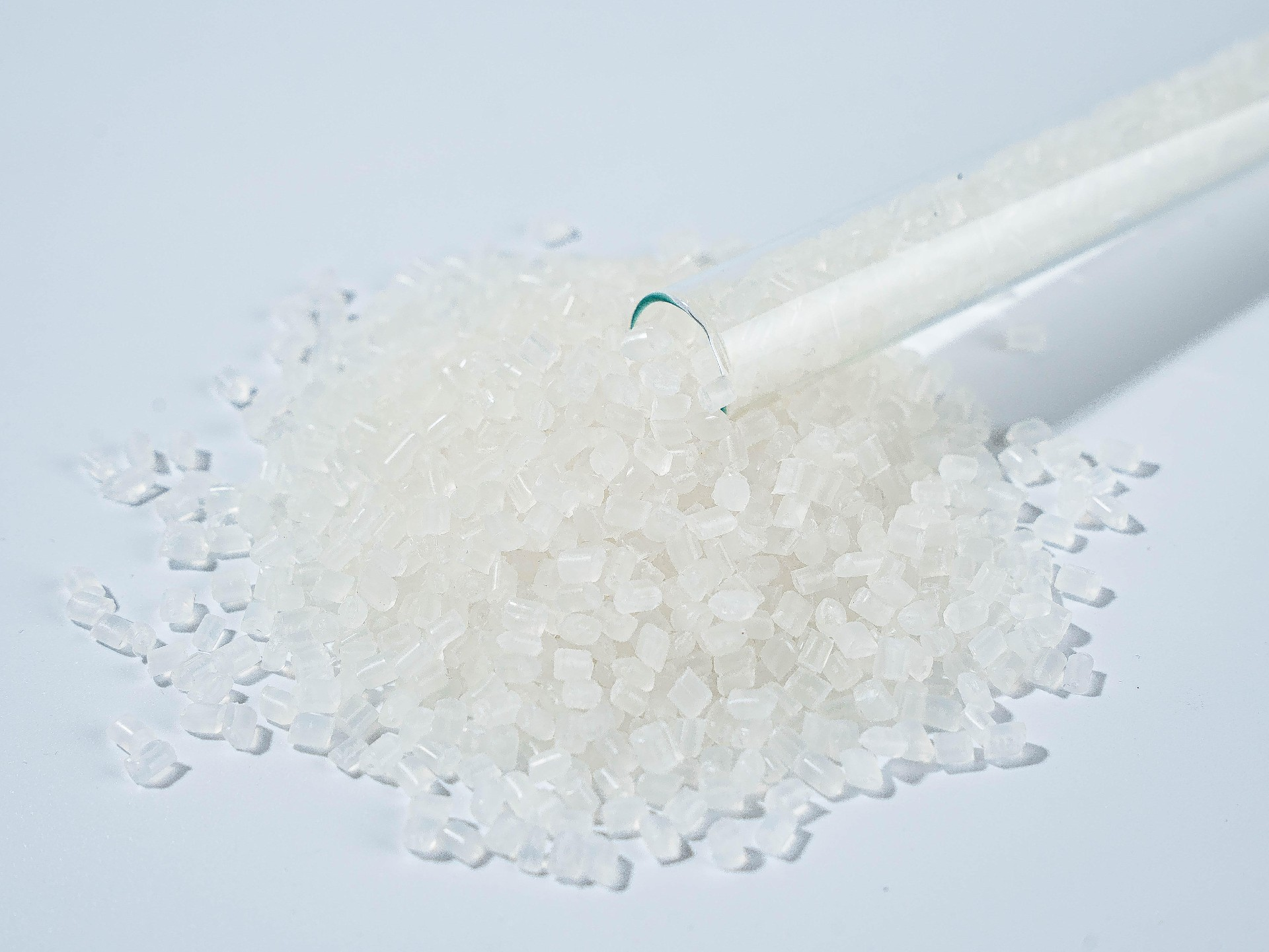
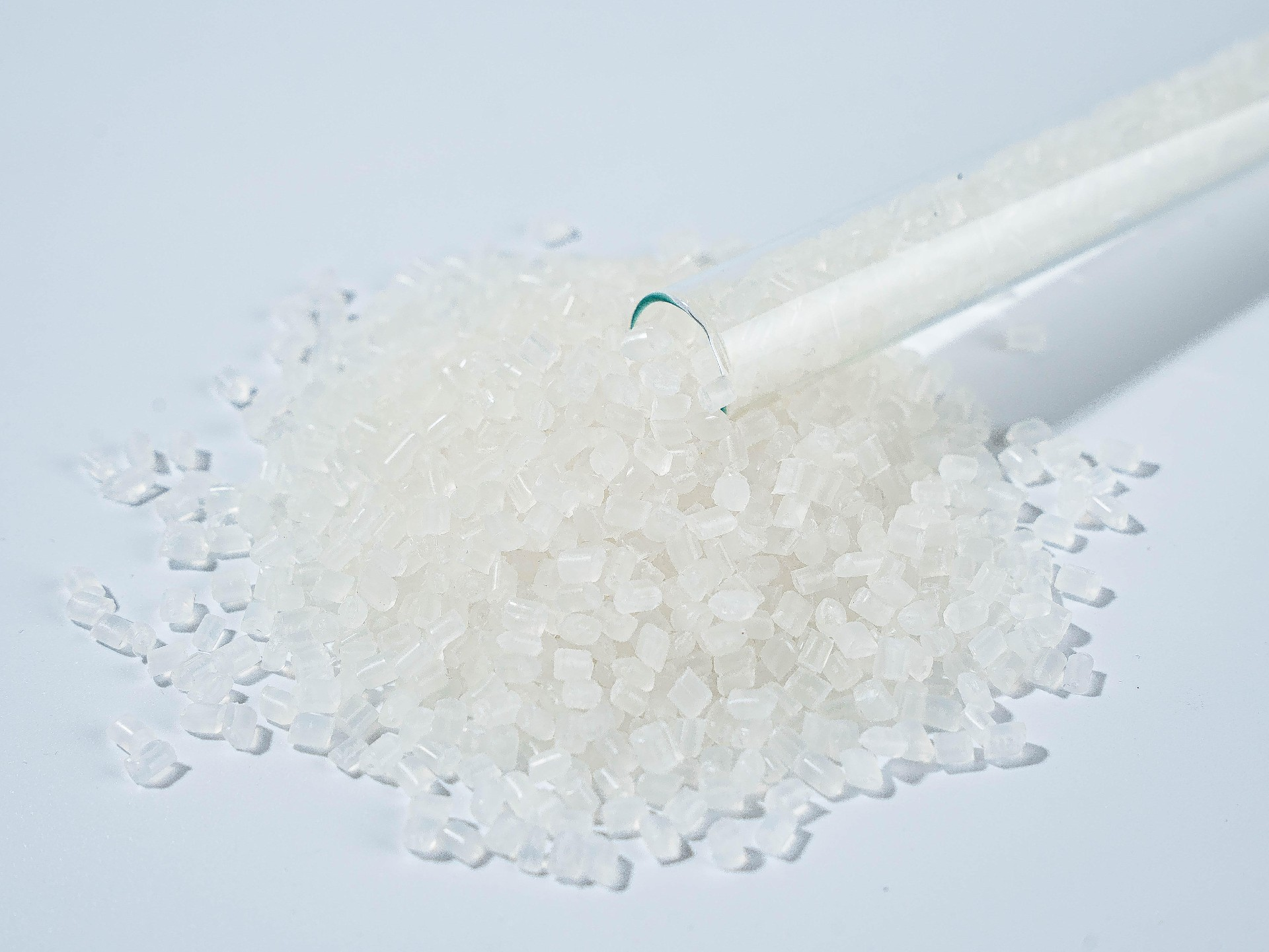
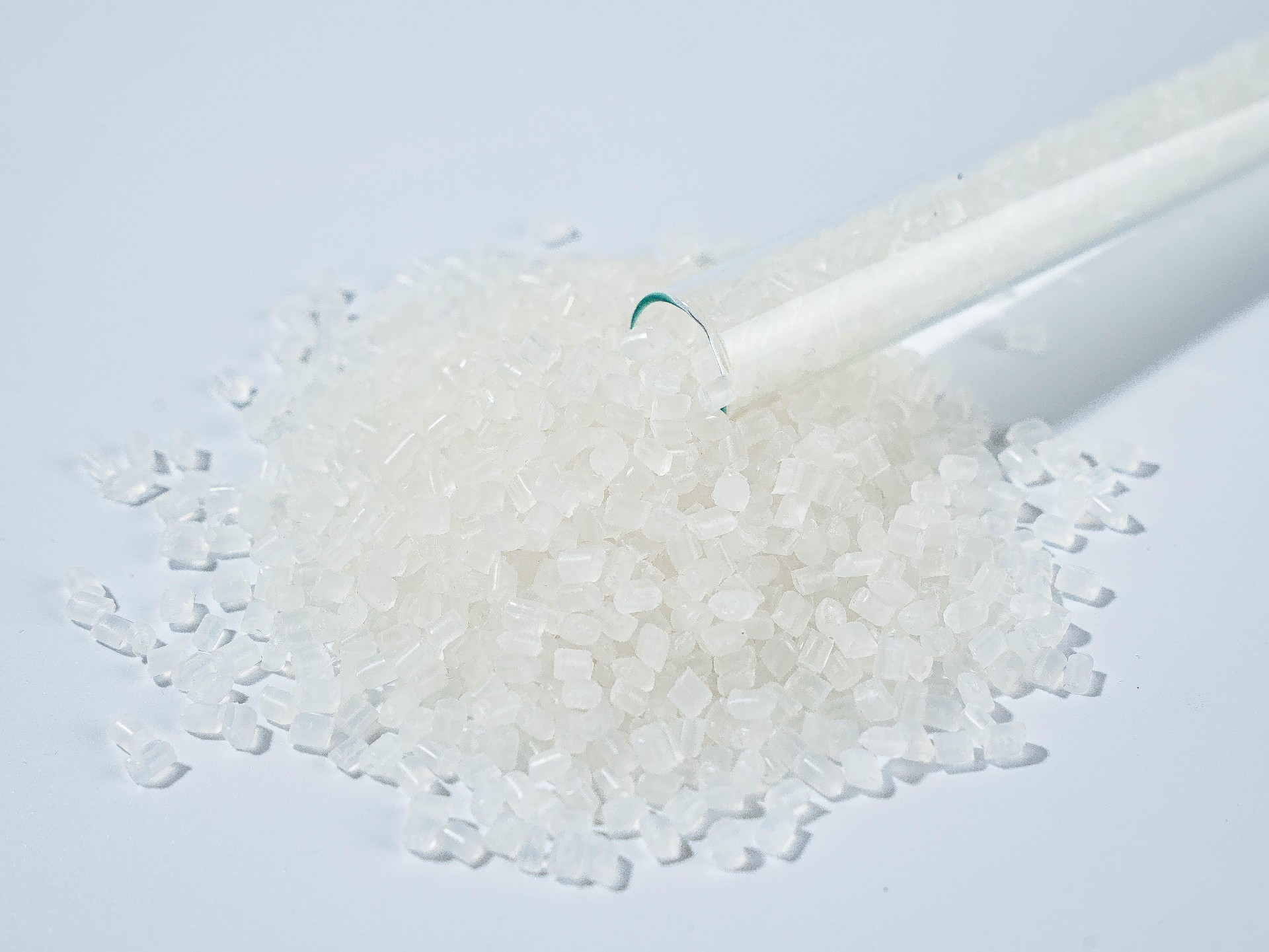
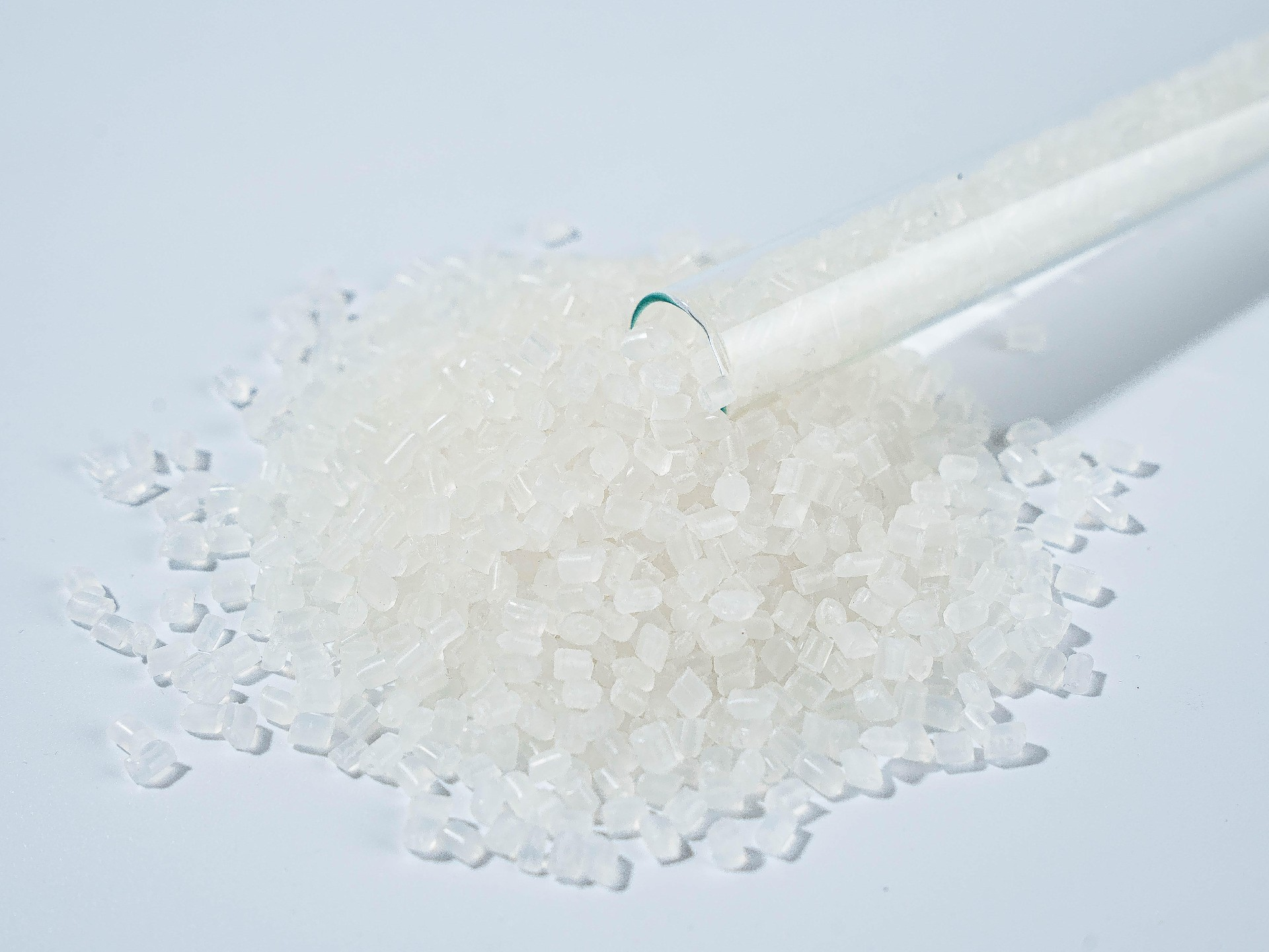
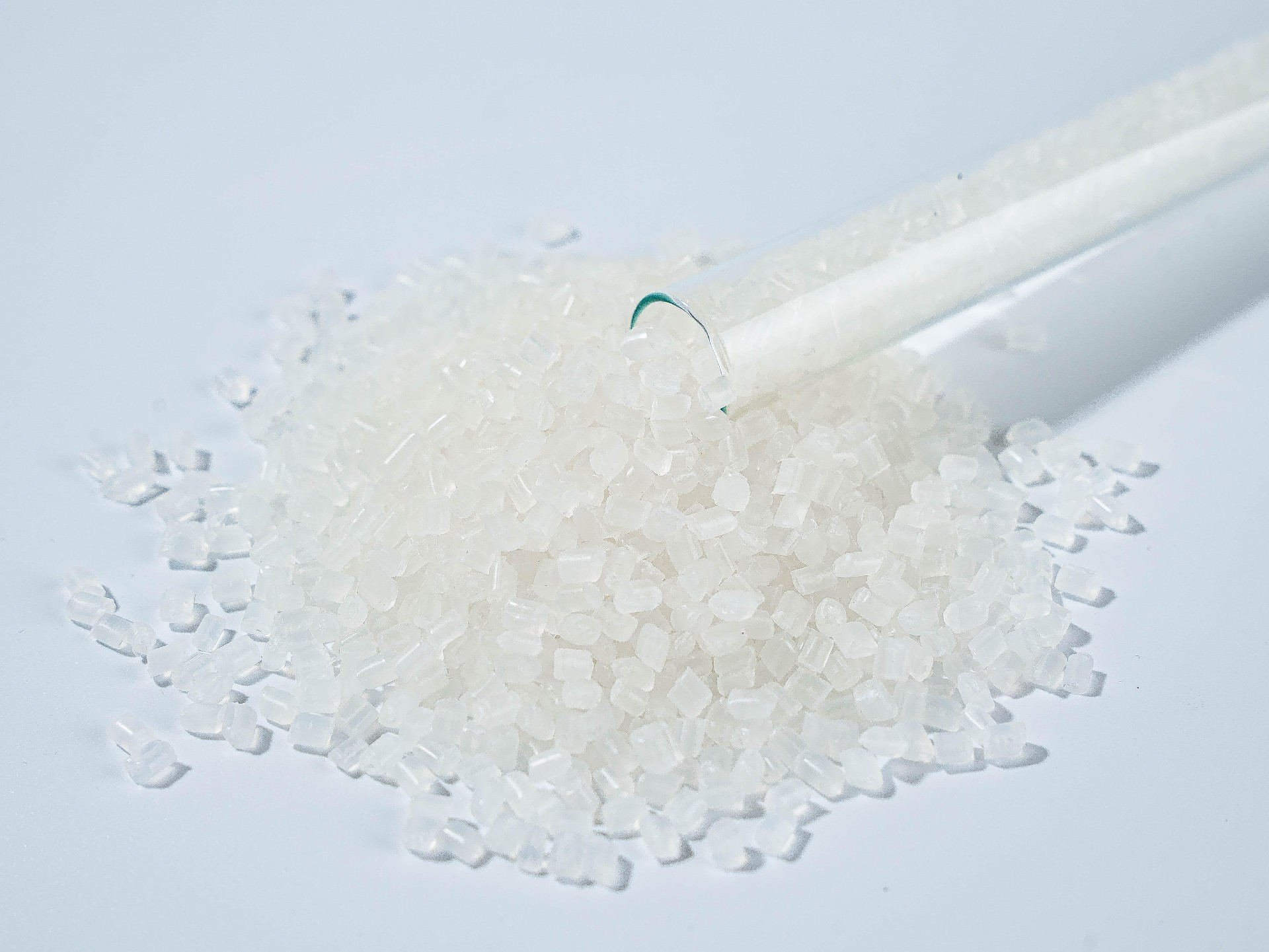
Soft placement: This weather-resistant TPV grade is specifically developed for building outdoor waterproofing applications, with a complete set of aging test reports provided. Membrane manufacturers can directly run production on existing equipment without large-scale formulation adjustments, balancing weathering performance and processing stability.
IV. Implementation Selection and Quality Control Plan: Avoiding Failure Risks Across the Entire Chain from Raw Materials to Construction
Material formulation is the foundation, but to truly achieve 20-year service life, upstream and downstream enterprises must establish full-process control.
4.1 Raw Material Selection Stage
Curtain wall and waterproofing designers and procurement personnel should not only look at conventional mechanical parameters in product manuals. They must require suppliers to provide complete QUV accelerated aging and acid-base immersion aging test reports, and prioritize building outdoor waterproofing specialty TPV grades. At the same time, conduct small-batch trial production of membranes and perform heat aging and water immersion verification; do not directly proceed to large-scale production. Distinguish between general-purpose TPV and weather-resistant modified TPV; the raw material cost difference between the two is limited, but the long-term service performance gap is enormous.
4.2 Membrane Production Process Control
The extrusion molding temperature and cooling rate of membranes affect the internal phase morphology of TPV. Excessive molding temperature causes premature thermal-oxidative aging during processing, compromising long-term weathering resistance; uneven cooling results in high residual stress within the membrane, making it more prone to cracking under outdoor temperature cycling. Manufacturers need to stabilize extrusion process parameters and conduct sampling aging inspections of finished membranes.
4.3 Engineering Construction Stage
For TPV waterproof membrane welding construction, control welding temperature and speed to avoid local overheating and burning of the material. Welded damaged locations are high-incidence points for outdoor leakage. During membrane laying, ensure the substrate is flat and clean sharp protrusions to prevent external force from scratching the membrane, as scratch locations become initiation points for aging cracks. After completion, perform finished product protection to prevent damage to the waterproofing layer from cross-construction by other trades.
V. Industry Summary: For Outdoor Waterproofing TPV Selection, Establish Long-Term Life Thinking
Currently, many building waterproofing projects fall into the misconception of "emphasizing short-term indicators, neglecting long-term weathering" in material selection. Conventional TPV materials can only be used for indoor and non-open-air applications. For waterproofing projects such as curtain walls and roofs that are exposed outdoors year-round, multi-layer anti-aging system modified TPV must be selected.
For upstream TPV material manufacturers: future R&D directions should focus on long-term outdoor service requirements for buildings, providing complete weathering data support rather than simply supplying raw material pellets; providing downstream membrane manufacturers with technical support to solve formulation and processing coordination issues. For midstream waterproof membrane manufacturing enterprises: establish aging performance admission thresholds in raw material procurement, incorporate accelerated aging testing into incoming material inspection, and reduce late-stage project warranty risks. For engineering general contractors and design institutes: specify material weathering indicator requirements in design documents, not merely limiting material types, to avoid 5-year leakage hazards from the source.
As building durability requirements continue to increase, 20-year long-term waterproofing is an industry trend. Selecting weather-resistant specialty TPV, with a small upfront increase in material cost, can significantly reduce the enormous costs of later maintenance, rework, and claims, providing long-term reliable protection for curtain wall and roof waterproofing projects.